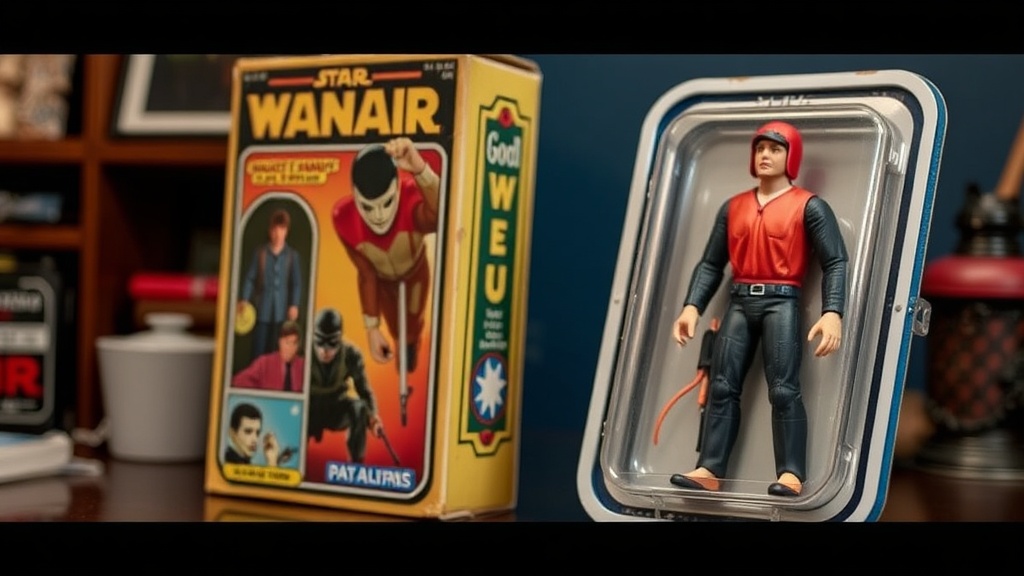
Removing Scuffs and Dust from Vintage Action Figure Packaging

Have you ever pulled a pristine 1980s Star Wars figure from a storage bin only to find the bubble or the cardback covered in a fine layer of grime or superficial scuffs? This guide explains how to safely remove dust and minor surface imperfections from vintage action figure packaging without causing permanent damage to the cardboard or plastic. We'll look at the specific tools and methods for cleaning different types of packaging—from the acetate bubbles of a Kenner figure to the cardboard-heavy cardbacks of a Hasbro line—so you can restore the visual appeal of your collection without compromising its value.
How Do I Safely Remove Dust from Vintage Carded Figures?
The safest way to remove dust from a vintage action figure card is by using a soft-bristled brush or compressed air to lift particles away without touching the surface.Most collectors make the mistake of grabbing a cloth and wiping the cardback. Don't do that. A dry cloth often just drags the grit across the surface, creating tiny scratches on the printed ink. Instead, grab a high-quality makeup brush or a dedicated soft paintbrush. These are cheap and incredibly effective at flicking dust out of the crevices where the plastic bubble meets the cardboard.
If you're dealing with a heavy layer of dust, a can of compressed air (the kind used for cleaning computer keyboards) works wonders. Just be careful. You don't want to blast the air too close to the figure, as the pressure could potentially dislodge the figure from the bubble or even crack old, brittle plastic. Hold the canister at least 12 inches away. It's a quick way to clear the field, but it requires a steady hand.
For those stubborn spots where dust has actually settled into the texture of the cardstock, a gentle tap of a soft brush is usually enough. If you're working with a high-value item, like a Mint on Card (MOC) Boba Fett, you'll want to be incredibly cautious. One wrong move with a cleaning tool can turn a collector's item into a damaged piece of junk.
If you want to prevent this buildup in the first place, you should check out our guide on keeping your vintage figures pristine with proper display techniques. Proper housing is the best defense against grime.
Can I Use Liquids to Clean Plastic Bubbles?
You can use a slightly damp microfibre cloth or a specialized plastic cleaner, but you must never use harsh chemicals or soak the packaging in liquid.
The "bubble" on a vintage figure is often made of acetate or certain types of polystyrene. These materials can react poorly to many household cleaners. For instance, if you use a window cleaner containing ammonia, you might actually cloud or "fog" the plastic permanently. That's a nightmare scenario for any serious collector.
Here is a quick breakdown of what to use and what to avoid when dealing with the plastic components:
| Material Type | Recommended Tool/Method | Avoid At All Costs |
|---|---|---|
| Clear Plastic Bubbles | Dry microfiber or air | Alcohol, Acetone, Windex |
| Cardboard Cardbacks | Soft brush | Wet wipes, Water, Sponges |
| Glossy Finishes | Dry microfibre cloth | Abrasive pads, Scrubbing |
If there is a smudge on the bubble, try a dry microfibre cloth first. If it doesn't bud-ge, a very slightly damp cloth (water only!) might work. The key is to be extremely gentle. You aren't cleaning a kitchen counter; you're handling a piece of history. If the plastic is old and brittle, any moisture or pressure could cause it to crack. This is especially true for older Star Wars or G.I. Joe figures where the plastic has aged significantly over the decades.
If you see a scuff that looks like it's "inside" the plastic, it might actually be a scratch. A scratch is a physical indentation in the material, and no amount of cleaning will fix it. Don't try to "buff" out a scratch with a polishing compound. You'll likely just end up making the plastic look cloudy and ruined.
How Do I Remove Scuffs from the Cardback?
Scuffs on a cardback are usually removed by using a dry, soft-bristled brush or a clean, dry microfibre cloth with very light pressure.
Cardstock is incredibly porous. This means that if you get a liquid on it, it's going to soak in and leave a permanent stain. If you see a scuff that looks like a "white mark" on the ink, it's often just a surface scratch. You can sometimes smooth this out by very gently rubbing it with a clean, dry finger or a soft cloth, but you have to be careful not to rub the ink right off the cardboard. (I've seen people accidentally erase the "Made in China" text or the character name because they were too aggressive—it's a sad sight.)
If the scuff is actually a piece of residue—like a bit of old adhesive or tape—you might be tempted to use Goo Gone or rubbing alcohol. Stop right there. Alcohol and many solvents are the enemies of vintage packaging. They can dissolve the ink or even change the color of the cardboard. If you absolutely must remove an adhesive residue, use a tiny amount of vegetable oil on a Q-tip, but only on the non-printed areas if possible. Even then, it's a massive risk.
Sometimes, what looks like a scuff is actually just a change in the way light hits the texture of the paper. Before you start cleaning, look at the piece under different lighting angles. If the mark doesn't change or move, it's likely a permanent part of the card's texture or a physical scratch in the paper fibers.
Common Cleaning Mistakes to Avoid
I've seen a lot of beginners ruin perfectly good collections by being too "helpful" with a cleaning kit. Here are the top mistakes:
- Using Isopropyl Alcohol: It can melt certain types of plastics and strip the ink from cardbacks.
- Using Paper Towels: They are surprisingly abrasive and can leave tiny micro-scratches on clear bubbles.
- Excessive Pressure: Pushing too hard on a vintage bubble can cause it to crack or pop off the card.
- Using Water Spontaneously: Water and cardboard are a bad mix. It can cause the card to warp or "bubble."
A quick tip for the more advanced collectors: if you're dealing with a figure that has been in a humid environment, you might notice a slight "cloudiness" on the bubble. This is often due to outgassing from the plastic or the figure itself. Unfortunately, there isn't a "fix" for this that doesn't involve opening the packaging, which usually destroys the value of a MOC item. It's better to leave it alone than to try to "fix" it and ruin the item entirely.
If you're worried about the value of your items, you can check the Wikipedia entry on action figures to understand the different types of materials used in manufacturing. Knowing the difference between PVC, ABS, and various types of acetate can help you understand why certain cleaners are dangerous. For example, certain plastics are highly susceptible to chemical reactions that can turn them yellow or brittle.
At the end of the day, the goal is preservation. If a figure is slightly dusty, it's usually better to leave it that way than to risk a mistake. A dusty, but intact, figure is worth much more than a "clean" figure with a cracked bubble or a faded cardback. Be patient, be gentle, and always test a small, inconspicuous area first if you're using a new method.
Steps
- 1
Assess the Material Type
- 2
Use Microfiber for Dusting
- 3
Handle Stubborn Scuffs with Caution
- 4
Avoid Harsh Chemicals