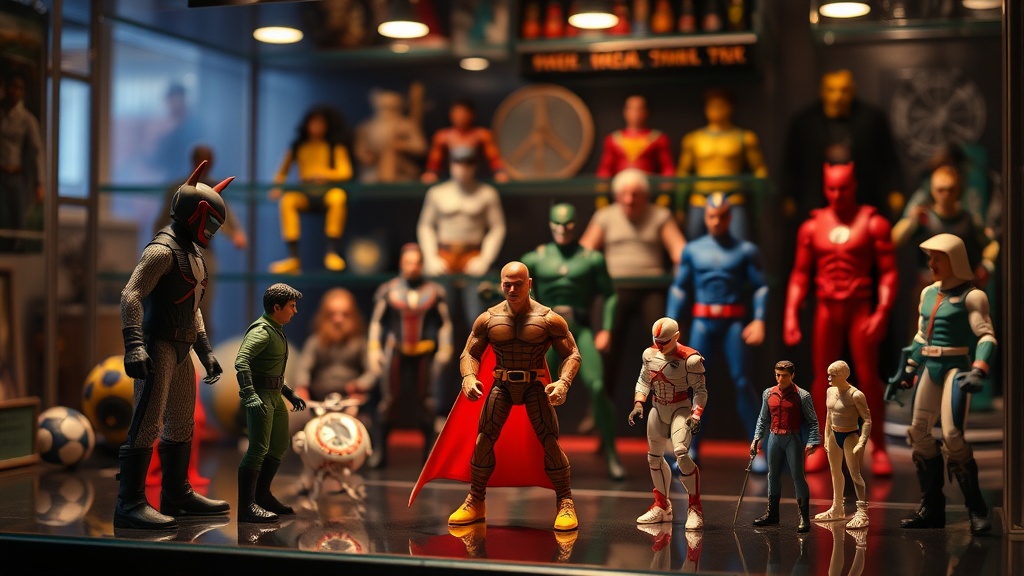
Keep Your Vintage Figures Pristine with Proper Display Techniques

Most collectors believe that simply putting a figure behind glass is enough to protect it from the elements. It isn't. While a display case stops immediate dust buildup, it doesn't stop UV degradation, humidity-driven chemical breakdown, or the slow death of plasticizer migration. If you want your vintage Star Wars or G.I. Joe figures to maintain their market value, you need to manage the environment, not just the visibility. This post looks at how to build a display system that actually preserves your investment rather than just showcasing it.
How Do I Protect Vintage Figures from Sunlight?
To protect vintage figures from sunlight, you must keep them out of direct UV exposure and use UV-filtering glass or acrylic.
Sunlight is the silent killer of plastic. If you've ever seen a vintage GI Joe figure with faded paint or a discolored skin tone, you've seen the effects of UV light. UV rays break down the chemical bonds in plastics and pigments. This isn't just a cosmetic issue—it's a structural one. Over time, sunlight makes plastic brittle. A figure that looks great today might snap at the elbow tomorrow if it's been sitting in a sunny window.
You have a few options here. You can use museum-grade UV-filtering acrylic cases, or you can simply move your collection to a room with controlled lighting. If you're using LED lights for your display, make sure they are high-quality. Traditional incandescent bulbs generate heat and emit more UV than modern LEDs, which can actually bake your figures if they're too close.
If you're serious about your setup, check the specifications for UV radiation to understand how different light spectrums affect organic materials. It's a bit nerdy, but it helps you make better decisions for your shelves.
What is the Best Way to Control Humidity in a Display?
The best way to control humidity is to use a dedicated display case with silica gel packets or a dehumidifier in the room.
Humidity is a double-edged sword. Too much moisture leads to mold and can cause metal parts (like those in vintage Transformers or die-cast vehicles) to rust. Too little moisture—meaning extremely dry air—can cause certain plastics to crack or shrink.
I've seen collectors lose entire lines of figures because they kept them in a basement or a garage where the air was heavy and damp. That’s a mistake. If you're displaying high-value items, a controlled environment is non-negotiable. Here’s a quick breakdown of how different levels of humidity affect your collection:
| Humidity Level | Effect on Vintage Plastic/Paint | Risk Factor |
|---|---|---|
| High (>60%) | Mold growth, metal corrosion, "sticky" plastic. | High |
| Ideal (40-50%) | Stable chemical structure and color retention. | Low |
| Low (<30%) | Brittle plastics, shrinking, and cracking. | Moderate |
One trick I use is keeping a few rechargeable silica gel canisters inside my larger display cabinets. They act as a buffer. Just remember to "recharge" them in the oven periodically if they get saturated. It's a small bit of maintenance that saves a lot of heartbreak later.
How Should I Clean My Figures Without Damage?
Never use harsh chemicals or tap water; instead, use a soft-bristled brush and compressed air to remove dust.
Dust isn't just an eyesore. It's abrasive. When dust settles on a figure, it can actually scratch the paint or the surface of the plastic if you try to wipe it off with a rough cloth. This is especially true for highly detailed figures from brands like Hasbro or older Kenner lines where the paint applications might be thin.
The process should be gentle. I usually start with a can of compressed air to blow away loose particles. If the dust is stubborn, a very soft makeup brush (the kind used for blending) is perfect for getting into the crevices of a figure's armor or hair.
Avoid using anything with a liquid component unless you're dealing with a very specific type of grime. Even then, a slightly damp—not wet—microfiber cloth is the limit. If you're cleaning a figure that's still in its original packaging, be even more careful. The cardback is extremely fragile. One slip with a damp cloth and you've just ruined the "Mint on Card" status that makes it valuable.
Speaking of value, if you're looking for items that are particularly sensitive to handling, check out my post on 5 Vintage Action Figures Worth Thousands Hiding in Your Attic. These are the pieces that require the most care.
There's a lot of debate in the community about using certain cleaning agents. Some people swear by isopropyl alcohol, but I'd advise against it for most vintage toys. Alcohol can dissolve certain types of paint and even certain plastics. It's a gamble that usually isn't worth the risk.
The Collector's Checklist for Display Setup
- Location: Choose a room with consistent temperature and zero direct sunlight.
- Lighting: Use LED bulbs that are cool to the touch and UV-free.
- Containment: Use airtight or semi-airtight acrylic cases to prevent dust infiltration.
- Monitoring: Keep a hygrometer (humidity gauge) near your most valuable pieces.
- Handling: Always wash and dry your hands before touching figures to avoid transferring skin oils.
A lot of people think they're being "safe" by keeping things in a cardboard box in a closet. That's actually one of the worst things you can do. Cardboard can attract pests, and closets often have poor airflow, leading to stagnant, humid air. A display case—when managed correctly—is much safer than a box in a dark corner.
If you're dealing with figures that have "sticky" surfaces (a common issue with older vinyl or certain plastics), you're likely seeing "plasticizer migration." This happens when the chemicals used to make the plastic flexible move to the surface. This is hard to reverse, but keeping the temperature stable can slow it down. Don't try to "clean" it off with harsh soaps; you'll often just make it worse.
Ultimately, your display should be a balance of aesthetics and preservation. You want to see your collection, but you don't want to watch it degrade in real-time. It takes a bit of effort to set up a proper system, but when you're looking at a shelf of perfectly preserved 1977 Star Wars figures, you'll see why it's worth the trouble.
Steps
- 1
Avoid Direct Sunlight
- 2
Use Dust-Proof Cases
- 3
Control Humidity Levels
- 4
Minimize Handling