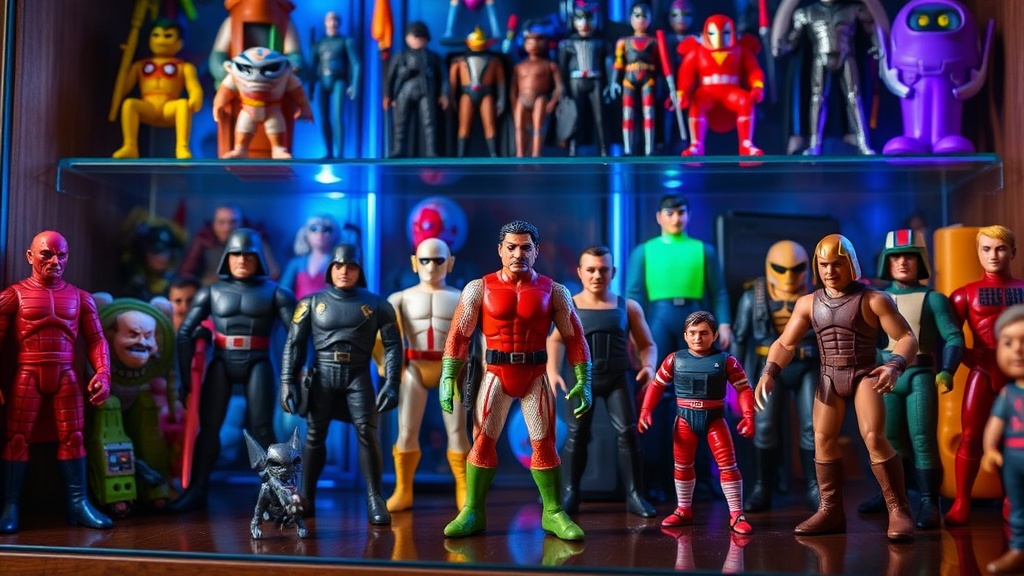
Preserving Your Vintage Action Figure Collection

Imagine pulling a mint-condition 1977 Star Wars figure from a dusty cardboard box, only to find the limbs are limp, the paint is tacky, or the plastic has turned a sickly shade of yellow. This isn't just a heartbreak; it's a preventable loss of value. For collectors, the battle against time, light, and chemistry is constant. Whether you're holding a single prized grail or a massive multi-shelf collection, understanding the physical properties of vintage plastics and paints is the difference between a pristine heirloom and a pile of degraded junk.
The core issue often starts with the environment. A figure sitting on a shelf in a room with high sunlight exposure isn't just being "displayed"; it's being slow-cooked. UV rays break down chemical bonds in plastic, a process that leads to the dreaded yellowing of white or light-colored parts. This isn't just a surface stain—it's a fundamental change in the material itself. If you're dealing with high-end figures, the stakes are even higher because certain resins and soft plastics are more reactive to their surroundings than standard PVC.
How Do I Prevent Plastic Yellowing?
The most effective way to stop the yellowing process is to control the light. If you have a shelf near a window, even with a curtain, you're risking damage. High-quality LED lighting is a better choice for display cases because it emits significantly less UV radiation than traditional incandescent bulbs or natural sunlight. If you're a serious collector, investing in a UV-filtering acrylic case or a dedicated display cabinet is a smart move.
Another major culprit is heat. Heat accelerates chemical reactions. If your collection sits near a radiator or in an attic-turned-hobby-room, the plastic can actually soften or become tacky. This "sticky figure" syndrome often happens with older vinyl or certain types of soft PVC. When the material gets warm, the plasticizers—the chemicals that make the plastic bendable—can migrate to the surface, creating a film that feels oily or attracts dust. Keep your collection in a climate-controlled room with a stable temperature to prevent these shifts.
Why Does My Figure Feel Sticky?
That unpleasant, tacky sensation on a vintage figure's surface is usually a sign of plasticizer migration. This happens when the chemical additives used to make a material flexible start to leach out due to heat or age. It's a common issue with older designer vinyl and certain vintage action figures. To fix a mild case, many collectors use a very gentle wash with a mild, pH-neutral soap and lukewarm water, but you have to be careful. Never soak a figure, as water can seep into joints and cause internal oxidation or damage paint applications.
If the stickiness is severe, it's often a sign that the material is breaking down at a molecular level. In these cases, aggressive cleaning can actually make it worse. You'll want to avoid using harsh solvents like acetone or heavy alcohols, which can melt the surface of the figure entirely. For more technical details on material stability, the American Chemical Society provides extensive research on polymer degradation that explains why these changes occur.
Managing Humidity and Air Quality
Humidity is the silent enemy of many collectors, especially those who keep figures in their original packaging (AFA-graded or otherwise). High humidity can cause cardboard backing cards to warp or even grow mold, which is an absolute nightmare for a mint-in-box (MIB) collection. Conversely, extremely dry air can make certain types of older rubber or soft-touch plastics brittle. A stable environment is the goal.
- Use Silica Gel Packets: If you store your collection in airtight plastic bins, include a few silica gel packets to absorb excess moisture.
- Avoid Basement Storage: Basements are notoriously damp and often have fluctuating temperatures, making them poor choices for long-term storage.
- Check Your Air Filters: Dust isn't just an aesthetic issue; it can hold moisture against the surface of a figure, leading to localized degradation.
When it comes to display, think about the air. If you use a display case, don't seal it completely airtight unless you are certain the air inside is dry. A sealed case with high humidity inside acts like a greenhouse, speeding up any degradation processes. You want a balance of airflow and protection. For enthusiasts looking for professional-grade storage standards, checking out resources like the Library of Congress archives on preservation can offer insights into how organic materials are handled in much larger-scale environments.
The Role of Oxidation in Metal Parts
Many vintage figures, particularly those from the 1960s and 70s, feature metal components like capes, jewelry, or even small structural elements. Oxidation is a real threat here. If a figure has a metal accessory, it can react with the oxygen in the air, leading to rust or a dulling of the finish. This is especially true if the figure has a metallic paint application that is prone to chipping. Once the paint chips, the underlying material is exposed to the atmosphere, and the reaction begins.
Always inspect your figures for any signs of "blooming" or discoloration on metal parts. If you see it, it's often a sign that the environment is too humid. Keeping your collection in a low-humidity environment is your best defense. Remember, once a figure has started to oxidize or degrade, it's very difficult to reverse the process without specialized-knowledge and potentially permanent changes to the figure's value.