
How to Spot Truly Rare Toys (and Avoid Overpaying for Hype)

There’s a difference between a toy that’s rare and one that’s just loud. If you’ve been collecting for more than five minutes, you’ve already seen it: a figure suddenly everywhere, prices spiking overnight, sellers throwing around words like “grail” and “ultra rare.”
I’ve bought into that hype before. Most collectors have. And almost everyone regrets at least one of those purchases.
This guide is about building instincts that actually hold up—so you can tell when something is genuinely scarce, historically meaningful, or just temporarily inflated.
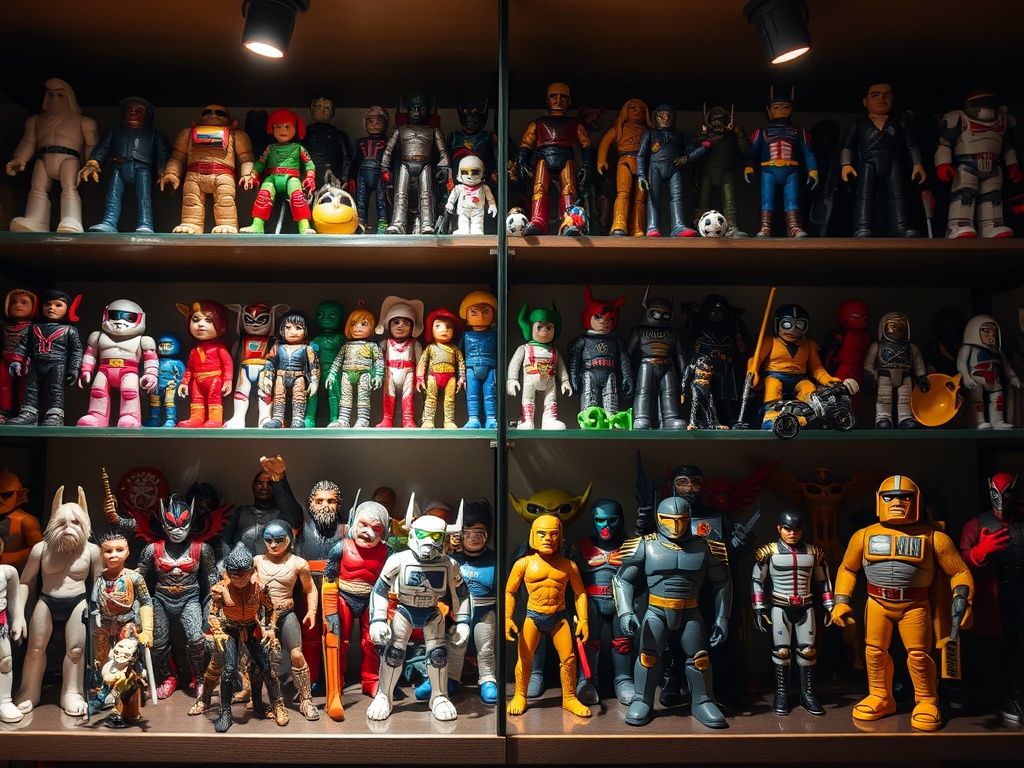
What “Rare” Actually Means (and What It Doesn’t)
Let’s get this out of the way: rarity is not the same as price. A toy can be expensive and still be easy to find. Likewise, a truly rare piece might fly under the radar because the right buyers haven’t noticed it yet.
Real rarity usually comes down to one of four things:
- Limited production runs — genuinely small quantities, not marketing-driven “limited editions” in the tens of thousands.
- Short release windows — items pulled early or tied to events that didn’t last.
- Regional exclusivity — toys released only in specific markets.
- Attrition over time — fragile items that simply didn’t survive in good condition.
If a toy doesn’t check at least one of these boxes, it’s probably not rare—it’s just trending.
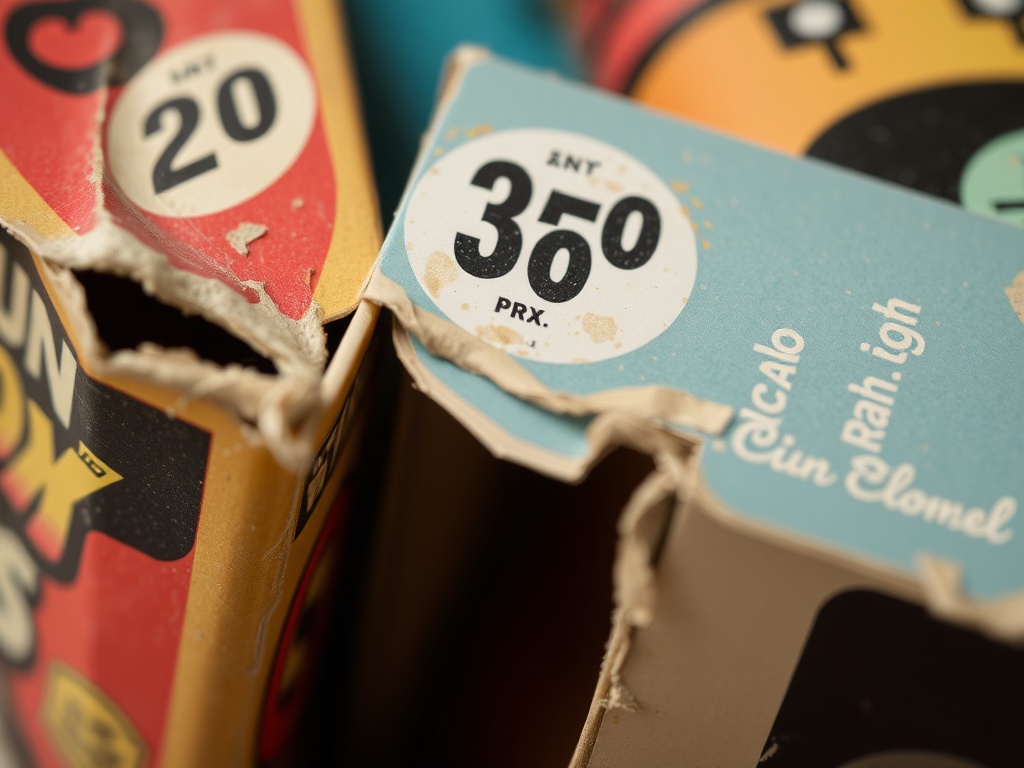
Condition: The Multiplier Most People Underestimate
Condition isn’t just a detail—it’s often the entire story. A figure that exists in the thousands can effectively become “rare” if only a handful remain in near-mint condition.
Collectors tend to underestimate how brutal time is on materials. Plastic yellows. Stickers peel. Joints loosen. Packaging warps.
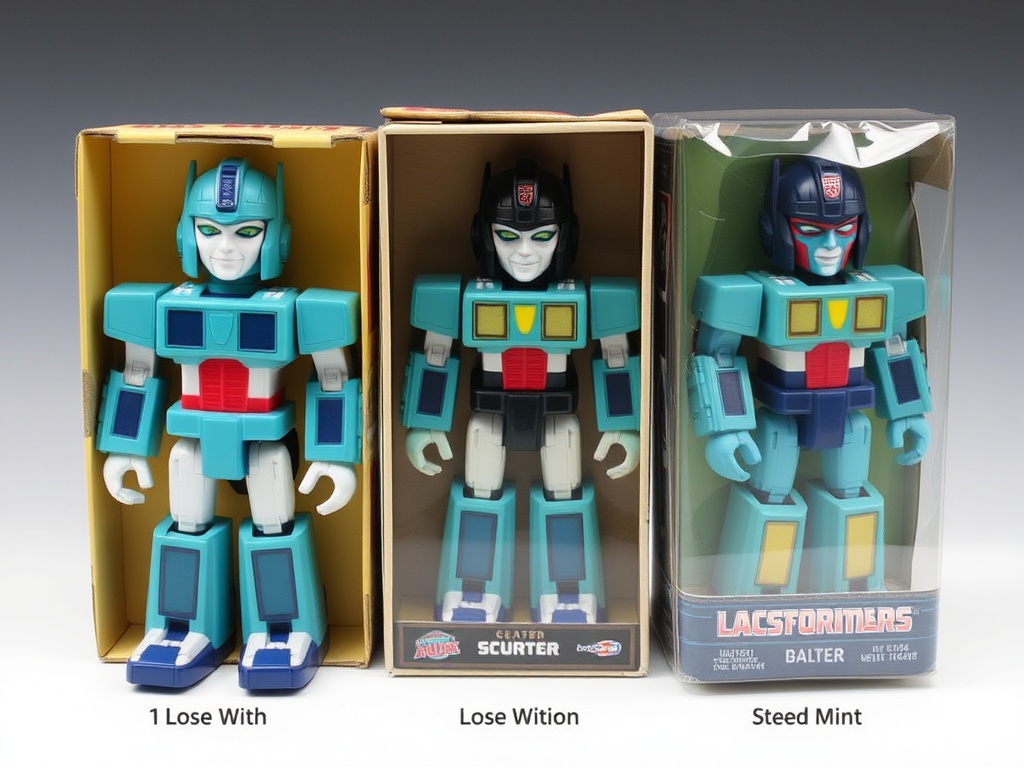
That’s why two identical toys can have wildly different values:
- Loose, worn example: common
- Complete with accessories: less common
- Mint in box (MIB): scarce
- Sealed and pristine: genuinely rare
If you’re chasing rarity, you’re really chasing survival.
Production Numbers vs. Perceived Scarcity
This is where newer collectors get burned.
Modern brands love to throw around phrases like “limited to 5,000 pieces.” That sounds small—until you realize how many of those are being hoarded by collectors who never intend to open or sell them anytime soon.
Meanwhile, older toys often had no official “limited” label at all, yet far fewer survive today.
Ask yourself:
- How many were actually made?
- How many still exist in good condition?
- How often do they appear for sale?
The last question matters most. True rarity reveals itself through absence.

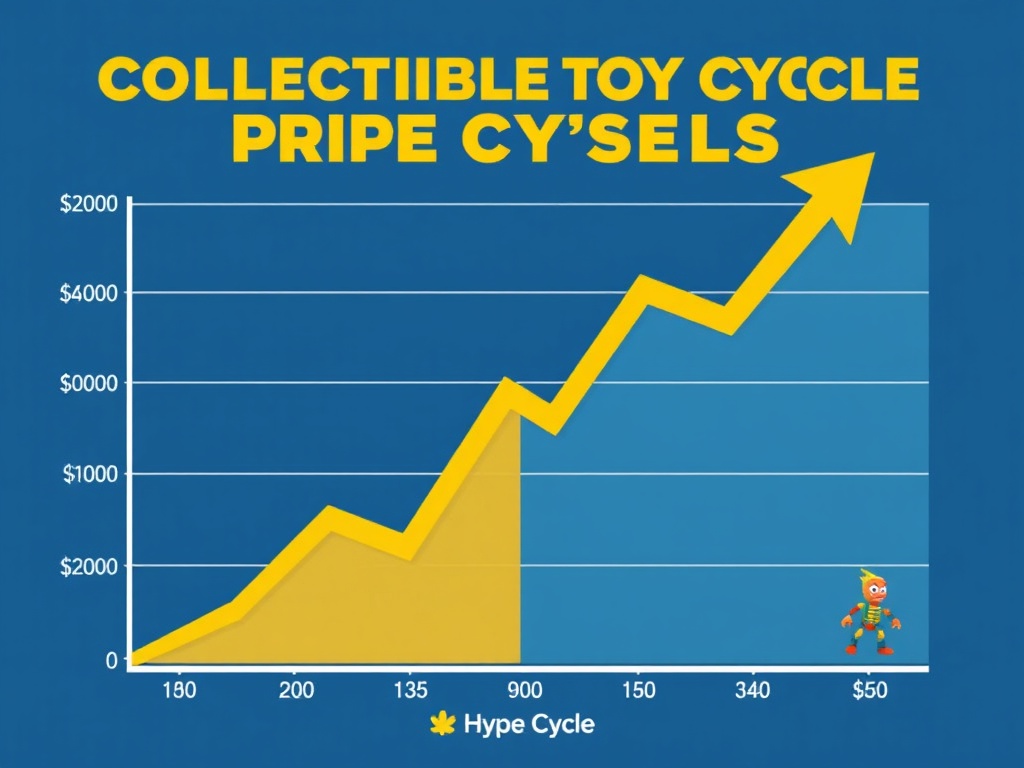
The Hype Cycle: Spot It Before It Empties Your Wallet
Hype follows a predictable pattern:
- A release or rediscovery gains attention
- Influencers and resellers amplify it
- Prices spike quickly
- Supply floods in as people sell
- Prices correct (sometimes hard)
If you’re buying during step three, you’re paying for momentum, not rarity.
The uncomfortable truth: most “hot” toys cool off. The truly rare ones rarely need hype—they quietly hold or grow in value over time.
Packaging Matters More Than You Think
Collectors love to debate “open vs. sealed,” but from a rarity standpoint, packaging is often half the asset.
Boxes and cards were meant to be thrown away. That means intact packaging—especially clean, unfaded, and uncreased—can be rarer than the toy itself.
Look for:
- Sharp corners and edges
- Minimal sun fading
- Original price stickers (sometimes a bonus)
- Unpunched hang tabs (for carded figures)
Damaged packaging doesn’t kill value—but pristine packaging can elevate a piece into a completely different tier.

Regional Variants and Oddities
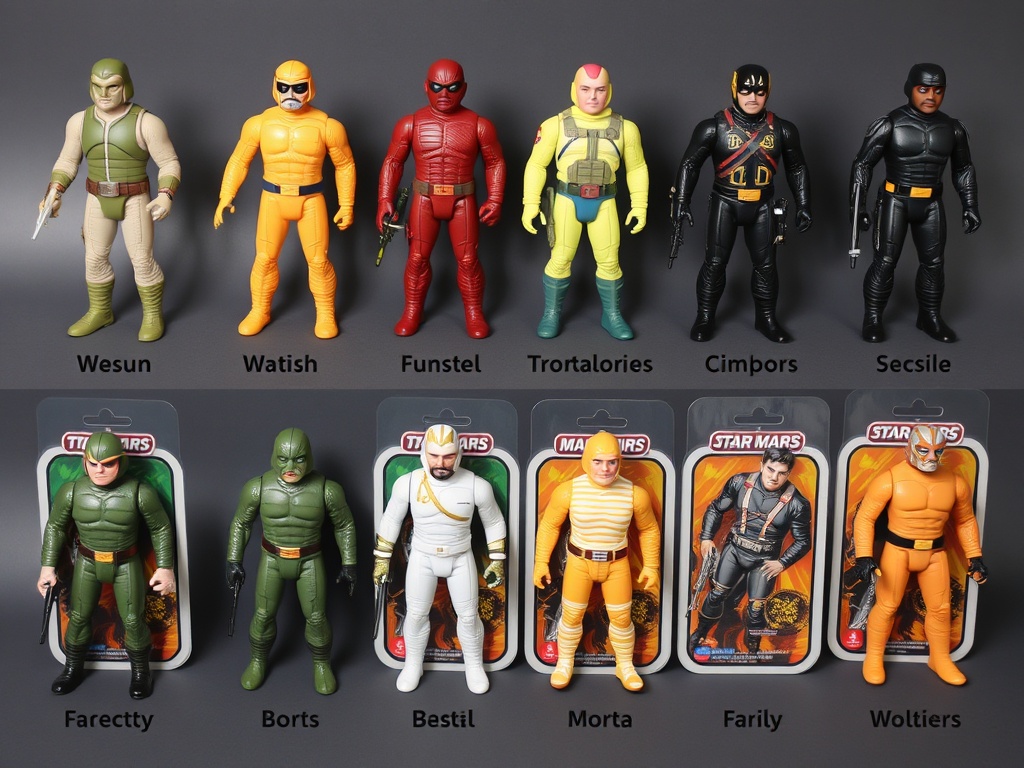
Some of the most interesting rare toys aren’t the headline pieces—they’re the weird variants.
Different countries often had slightly different molds, paint applications, or packaging designs. These variations can be subtle, but they matter.
Examples of what to watch for:
- Alternate color schemes
- Different logos or branding
- Unique accessory combinations
- Factory errors (when verified, not assumed)
These pieces tend to be overlooked, which is exactly why they can be worth chasing.
Where Smart Collectors Actually Find Value
If you want to avoid overpaying, stop chasing what everyone else is chasing.
The best opportunities usually sit in one of three places:
- Unpopular lines that haven’t had their moment yet
- Incomplete listings where sellers don’t realize what they have
- Mixed lots where one standout piece is buried among common items
This isn’t about luck. It’s about pattern recognition and patience.
The more time you spend looking at listings, the easier it becomes to spot something that doesn’t belong.

When to Walk Away (Even If It Hurts)
Here’s the rule I wish more collectors followed: if you feel urgency, pause.
Scarcity creates pressure. Sellers know that. But real rarity doesn’t disappear overnight—it just shows up infrequently.
Walk away if:
- The price jumped suddenly with no clear reason
- You’ve seen multiple identical listings recently
- The seller is leaning heavily on buzzwords instead of details
Missing one deal is fine. Overpaying sticks with you.

Building a Collection That Holds Up Over Time
A strong collection isn’t built on impulse buys—it’s built on consistency.
Focus on pieces that have:
- Clear historical or cultural relevance
- Proven scarcity over time
- Condition that will remain desirable years from now
You don’t need to chase every trend. In fact, you shouldn’t.
The collectors who end up with the most valuable shelves aren’t the fastest buyers—they’re the most selective.
And that’s the real edge: knowing when something is truly rare… and when it just wants you to think it is.