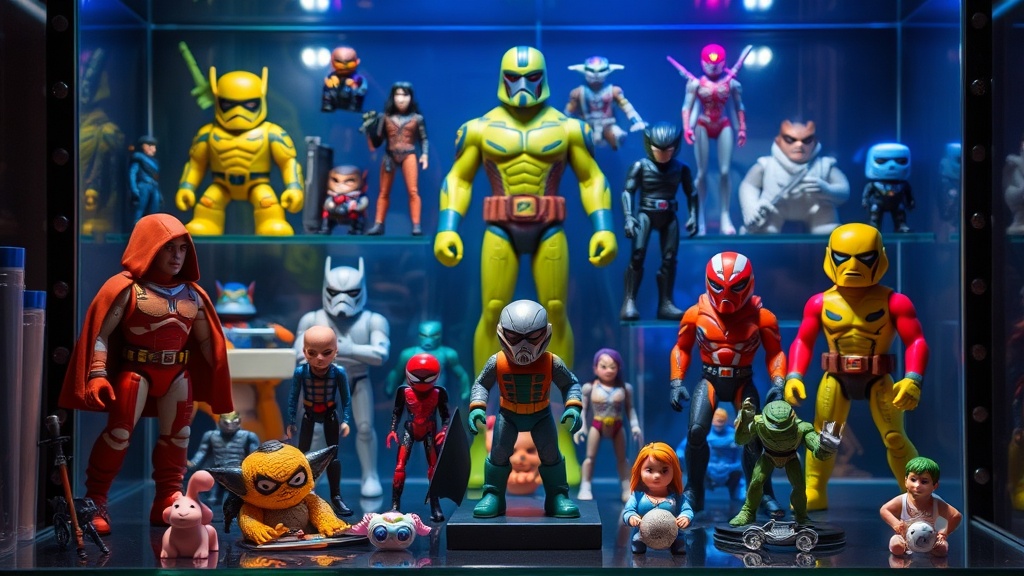
How to Properly Display and Preserve Your Rare Collectible Toys

Displaying rare collectible toys isn't just about showing off a collection—it's about protecting investments worth hundreds or thousands of dollars from dust, UV damage, humidity, and the slow decay that turns mint-condition treasures into damaged goods. This guide covers everything from choosing the right display cases to controlling environmental conditions, handling techniques, and long-term storage solutions that keep action figures, vintage dolls, die-cast models, and limited-edition pieces in pristine condition for years to come.
What's the Best Way to Display Action Figures Without Damaging Them?
The best approach combines UV-protected display cases with proper spacing, climate control, and strategic placement away from direct sunlight. Here's the thing—not all "display cases" actually protect collectibles.
Acrylic cases from BCW Supplies remain the gold standard for individual figure protection. Their UV-resistant acrylic blocks 98% of harmful light while providing crystal-clear visibility. For larger collections, consider detolf cabinets from IKEA (around $79)—tall glass cabinets with adjustable shelves that work well when positioned away from windows.
Spacing matters more than most collectors realize. Figures packed too tightly rub against each other. Paint transfers. Small accessories scratch surfaces. Aim for at least half an inch between pieces—more for figures with protruding weapons, wings, or fragile parts.
The catch? Dust still finds a way in. Even sealed cases need periodic cleaning. Use a soft microfiber cloth (the kind for eyeglasses) rather than feather dusters that can snag on small parts. Compressed air works for tight spaces—just hold the can upright and use short bursts.
Display Case Comparison
| Option | Price Range | UV Protection | Best For |
|---|---|---|---|
| BCW Acrylic Case (single) | $8-$25 | 98% UV block | High-value individual figures |
| IKEA Detolf Cabinet | $79 | None (glass) | Large collections, controlled rooms |
| Modern Display Cases Stackable | $35-$60 | Optional UV add-on | Mixed collections, flexibility |
| Custom Wood/Glass | $300-$800+ | Depends on glass | Serious collectors, permanent setups |
How Do Temperature and Humidity Affect Collectible Toys?
Temperature fluctuations cause plastic to expand and contract—leading to stress cracks, warping, and joint looseness. Humidity above 60% invites mold, mildew, and that distinctive "basement smell" that destroys cardboard packaging and degrades fabrics. The ideal environment stays between 65-72°F (18-22°C) with 40-50% relative humidity.
Rubber components suffer first. O-rings in vintage action figures (think 1980s GI Joe) dry out and crack in low humidity. Meanwhile, high humidity swells wooden accessories, rusts metal parts, and creates the perfect breeding ground for pests that nibble on vintage fabrics.
Worth noting: basements and attics are collection graveyards. Temperature swings of 30+ degrees between seasons? That's asking for trouble. If the display area feels uncomfortable to humans for extended periods, the collection suffers too.
For serious preservation, invest in a hygrometer (AcuRite makes reliable digital units for under $15). Monitor trends weekly—not just spot readings. Sudden spikes often indicate leaks, HVAC issues, or seasonal changes requiring adjustment.
Desiccant packs help in enclosed cases. Silica gel (the kind in small paper packets) absorbs moisture—reactivate them in the oven every few months. For larger spaces, Eva-Dry mini dehumidifiers (EDV-1100, roughly $25) work without constant power and can be renewed by plugging them in overnight.
Should You Keep Toys in Their Original Packaging?
For investment-grade collectibles—vintage Star Wars carded figures, sealed LEGO sets, first-run Funko Pops in pristine boxes—keeping original packaging intact significantly preserves value. A 1978 Kenner Darth Vader loose might fetch $50-100. MOC (mint on card)? $2,000-5,000 depending on the card's condition. That said, not everything needs to stay sealed.
Modern mass-market toys (recent Marvel Legends, basic NECA figures) rarely appreciate enough to justify the display limitations of sealed packaging. The packaging itself becomes a dust trap, and the plastic bubbles yellow over time regardless of storage conditions.
Here is the thing about "mint" packaging: it's incredibly fragile. Cardboard bends. Bubbles crack. Price stickers tear when removed. If keeping items carded or boxed, store them upright in archival comic boxes or specialty cases from GWACC or similar protective supply companies.
For opened collectibles, save the packaging anyway—flat-packed in archival storage if space allows. Original inserts, instruction manuals, and even twist ties (some collectors want the exact factory ties) matter to future buyers. Store these in acid-free document sleeves, not rubber-banded stacks that transfer oils and cause deterioration.
Packaging Preservation Quick List
- Carded figures: Use "star cases" (rigid plastic sleeves) or baggie-and-board methods similar to comic book storage
- Boxed items: Keep boxes away from direct light; UV damages print quality within months
- Remove batteries: Alkaline batteries leak—always remove them from both toys and packaging inserts
- Label everything: Date of purchase, original price, any defects—future you (or buyers) will appreciate the documentation
- Avoid tape: Never use Scotch tape or packing tape directly on cardboard; it yellows and becomes permanent
What Cleaning and Maintenance Do Collectible Toys Actually Need?
Routine maintenance prevents the gradual accumulation of dust, skin oils, and environmental contaminants that slowly degrade surfaces. Monthly visual inspections catch problems early—loose joints developing, paint chips starting, or (worst case) pest activity.
Cleaning starts with dry methods. Soft makeup brushes (unused, obviously—Morphe or Real Techniques synthetic brushes work well) whisk dust from crevices without scratching. Canned air blows debris from joints and accessory ports. For surface grime, slightly damp microfiber cloths do the job—emphasis on slightly damp, not wet.
Never submerge electronic toys. Never apply water to stickers, decals, or painted details without testing an inconspicuous area first. Some vintage paints (particularly on 1980s and 90s figures) react poorly to moisture—colors bleed, finishes cloud.
For stubborn dirt, mild dish soap diluted 10:1 with water applied sparingly works. Rinse by wiping with clean damp cloths—not under running water. Dry immediately with soft towels.
The thing about vintage toys: they often carry decades of previous owners' handling. Isopropyl alcohol (70%) sanitizes hard plastic surfaces without damaging most paints—test first on hidden areas. For porous materials like fabric clothing or flocking (the fuzzy stuff on vintage Schleich and similar figures), alcohol causes damage. Stick to gentle brushing and spot-cleaning.
Materials to Avoid
- Magic Erasers: These are micro-abrasives—fine for walls, disastrous for painted toy surfaces
- Paper towels: Too rough; they micro-scratch glossy finishes
- Harsh chemicals: Bleach, ammonia, and strong solvents strip paint and degrade plastics
- Ultrasonic cleaners: Great for jewelry, potentially damaging to glued parts and delicate paint apps
How Should You Handle and Move Valuable Collectibles?
Handling technique separates careful collectors from those wondering why their $500 figure now has a broken lightsaber. The rule is simple: two hands, stable support, clean contact surfaces.
Wash hands first. Natural oils transfer immediately. For high-value items, cotton gloves (available from archival supply stores) eliminate this risk entirely. Latex gloves work in a pinch but can leave residue on some plastics.
Support the base. Never grab figures by arms, heads, or accessories—these points weren't designed as handles. Vintage toys especially suffer stress fractures at joint connections when lifted incorrectly.
When photographing collections (for insurance, sales, or sharing), use a dedicated photo area with soft surfaces. A folded towel works. Dropping a figure onto concrete because the phone slipped? That's a mistake you don't make twice.
Transporting collectibles demands padding—bubble wrap, foam, or acid-free tissue. Individual ziplock bags prevent parts from shifting and scratching. For convention trips or moves, consider Pelican cases or similar hard-shell protective containers. The investment in proper transport protection pays for itself the first time it prevents damage.
One final note: documentation matters. Photograph everything from multiple angles. Record serial numbers, production marks, and any unique identifiers. Insurance companies (and buyers) need proof of condition and authenticity. Store these records separately from the collection itself—cloud storage, external drives, whatever works. A house fire destroys documentation stored with the toys.
Collecting rare toys connects you to childhood memories, artistic craftsmanship, and communities of passionate enthusiasts. The effort put into proper display and preservation isn't just about maintaining value—it's about respecting these objects and ensuring they bring joy for decades, not just months on a dusty shelf. Start with the basics: good cases, controlled environment, careful handling. The collection deserves it.
Steps
- 1
Choose the Right Display Case for Your Collection
- 2
Control Lighting and UV Exposure to Prevent Fading
- 3
Maintain Proper Humidity and Temperature Levels