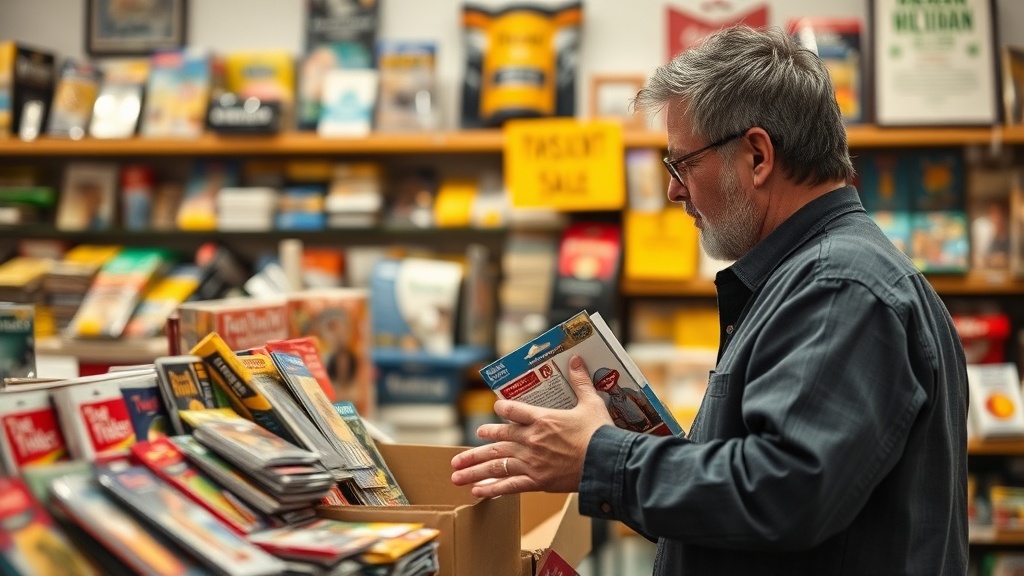
Finding High-Quality Blister Packs in Estate Sales

Nearly 40% of vintage action figure value is tied directly to the integrity of the packaging—specifically the blister pack and the cardboard backing. If the plastic is yellowed, cracked, or lifting, the value of even a legendary figure can drop by half. Most collectors spend their time scanning eBay or specialized auction sites, but some of the best deals happen in the dusty corners of local estate sales where the uninitiated often overlook the true treasures. This guide covers how to identify high-value carded figures in residential sales, what to look for under pressure, and how to avoid common pitfalls when buying from non-collector estates.
What should I look for when inspecting vintage toy packaging?
When you walk into an estate sale, you aren't just looking for a toy; you are looking for a preserved specimen. A figure might look great from a distance, but the moment you get close, the flaws become apparent. You need to check the "bubble"—that's the clear plastic housing the figure—for any signs of heat damage or structural failure. Look for a milky or yellowish tint, which often signals UV exposure or chemical breakdown in the plastic. If the plastic looks cloudy, walk away. It's rarely worth the risk of a deteriorating specimen.
The cardboard backing is equally important. Check the edges for "shelf wear"—those tiny white nicks and creases that occur from years of movement. A clean, crisp edge is a sign of a well-preserved item. Pay close attention to the glue lines where the plastic meets the card. If you see a gap or if the plastic feels loose, the seal has broken. This isn't just an aesthetic issue; it's a sign that the internal environment of the package has been compromised. You can learn more about the technical aspects of toy preservation through resources like the The Strong National Museum of Play, which provides deep historical context on how these items were originally manufactured.
One trick I use is the "light test." Hold the figure up toward a light source. This helps you see if there's any internal debris or if the plastic is thinning in certain areas. A solid, clear bubble is the gold standard. If you see cracks or "stress marks" (those white lines in the plastic), the structural integrity is gone. It might look okay on a shelf, but as a collector, you know that these flaws are permanent and subtract from the long-term value.
Are certain toy brands more common at estate sales?
Certain brands are much more likely to show up in residential sales because they were ubiquitous in the 1970s and 80s. Star Wars figures, for instance, are incredibly common, but so are the high-quality variations that collectors crave. You'll often find generic or "off-brand" toys that might look like the real deal but lack the value. The key is knowing the difference between a standard mass-market item and a rare variation. Sometimes, a "common" brand might have a specific error or a limited production run that makes it a hidden gem.
Keep an eye out for heavy-duty branding. Companies like Kenner, Mattel, and Hasbro produced toys with different types of plastics and cardboard qualities. A Kenner Star Wars figure from the early 1980s has a very specific feel and weight compared to modern reproductions or knock-offs. If you see something that looks "too perfect" or, conversely, looks like it's made of cheap, modern plastic, it's likely a recent reproduction. You can cross-reference find details on sites like Pop Culture Collector to verify specific production runs and variations.
I've often found that the most profitable finds aren't the famous ones, but the ones that were considered "junk" at the time. A box of miscellaneous 1980s action figures might contain a rare prototype or a limited edition variant that the estate executors didn't realize was valuable. Don't be afraid to ask the executor or the person running the sale if they know anything about the items. Sometimes, a simple question can reveal if a box of toys is just a toy box or a curated collection.
How do I prevent damage while transporting my finds?
Once you've secured a rare find, the work isn't over. The most dangerous part of your acquisition is the trip home. A bumpy car ride or a poorly packed box can easily crack a brittle vintage blister pack. Never stack heavy items on top of your carded figures. Even a small amount of pressure can cause the plastic to crack or the cardboard to bend. I always use rigid dividers—cardboard or foam sheets—between my most fragile pieces during transport. It’s a small step that saves a lot of heartache later.
If you're buying a large quantity of figures, don't just throw them in a bin. The friction between the plastic bubbles can cause scratches and scuffs. Use soft cloth or bubble wrap, but be careful: some vintage plastics react poorly to certain types of bubble wrap if they are left in contact for too long. For the most sensitive items, a dedicated plastic bin with a lid is the safest way to move them. This prevents them from shifting and banging against other objects in the vehicle.
When you get home, don't immediately jump to cleaning. If the figure has dust or a bit of grime, use a soft, dry brush—nothing more. Using liquids or even slightly damp cloths can introduce moisture into the package, which is a death sentence for vintage cardboard. If you must clean, use a very gentle puff of air from a camera lens cleaner. This is the safest way to remove surface dust without risking the structural integrity of the packaging or the figure itself.
- Always check the seal of the blister pack before paying.
- Look for UV damage (yellowing) in the plastic.
- Avoid buying figures with heavy "stress marks" in the bubble.
- Transport items in rigid, separate containers.
- Avoid using liquids to clean vintage packaging.
Finding a treasure in a sea of ordinary items requires a keen eye and a bit of patience. It's not about speed; it's about being thorough. When you're at an estate sale, you're a detective as much as a collector. Look past the surface and find the details that matter. The best finds are often hidden under a layer of dust or tucked away in a bin that everyone else has already passed by.